Pixelesq vs Framer: built to win leads after launch
Framer gives designers a freeform canvas with motion. Pixelesq gives marketers research, AI answer tracking and scored leads.
Should you choose Pixelesq or Framer?
Framer is a joy for designers: a freeform canvas, motion and effects, and AI agents that update layouts, styles and CMS content. It's a favorite for launching a sharp-looking site fast.
The harder part starts after launch. Someone has to decide what to publish, see whether AI answers mention you, and follow up on every form submission, and on Framer those jobs mostly happen in other tools or your inbox.
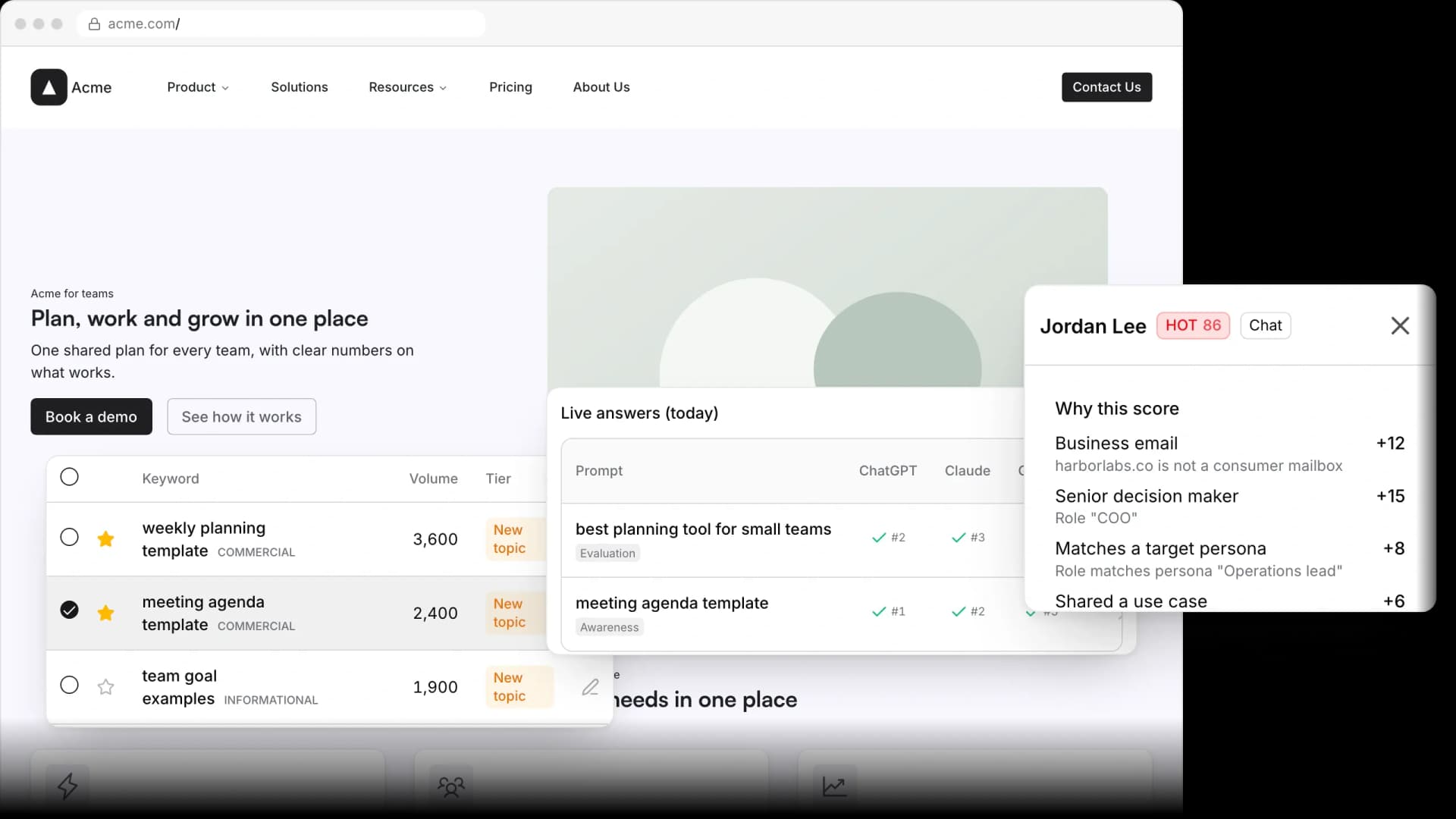
Pixelesq is built for that part. Keyword research, researched articles, rank and AI answer tracking, an AI chatbot and a scored lead inbox sit next to your pages, and marketers edit from ready sections or by asking Pixel, Claude or ChatGPT.
Where Framer sites stall after launch
Each of these shows up once the site has to bring in traffic and leads. If one sounds familiar, here's how Pixelesq handles it.
The site looks great, but traffic is flat
Framer covers the SEO setup, from sitemaps to redirects, but choosing what to publish next is up to you.
HOW PIXELESQ HELPS
Know what to publish next
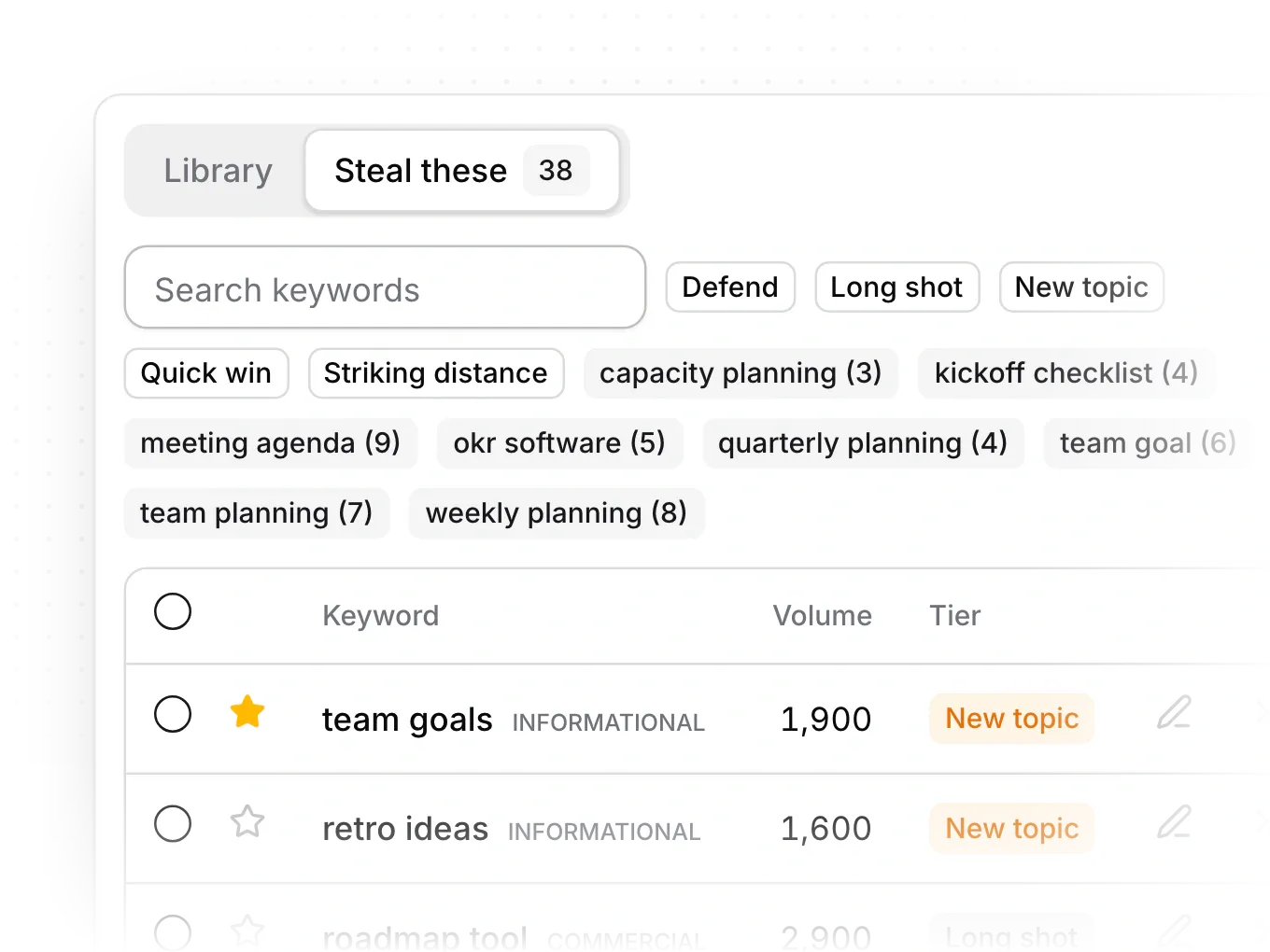
Competitor keyword gaps and articles researched from the pages that rank today, in the same account as your site.
We can't tell if ChatGPT recommends us
Framer's AEO scanner scores how quotable your pages are to AI; what assistants actually tell buyers is another question.
HOW PIXELESQ HELPS
AI answers, tracked
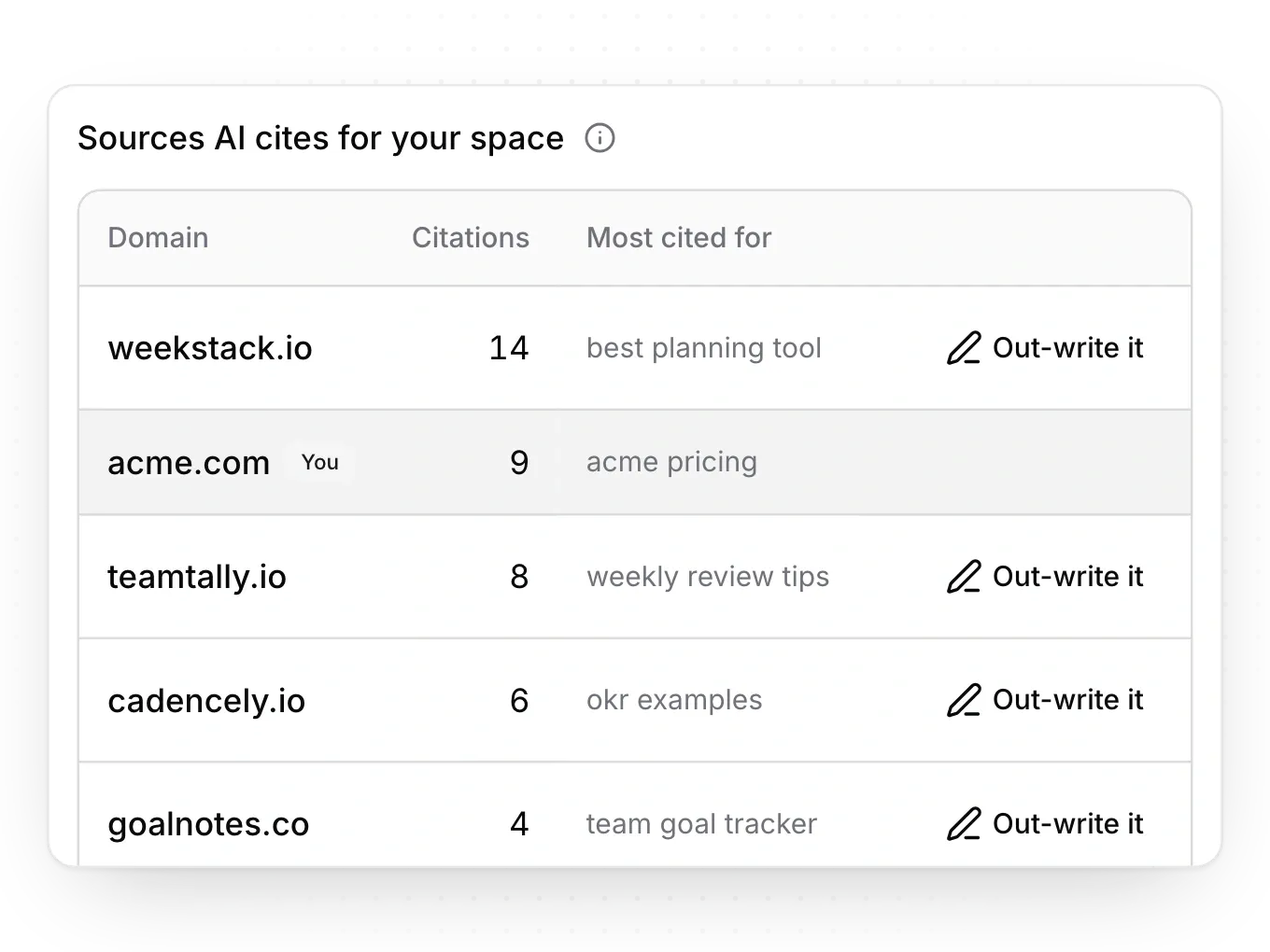
See how ChatGPT, Claude, Gemini, Perplexity and Google AI Mode answer your buyers, and which sources they cite.
Form submissions end up in a spreadsheet
Framer forms send submissions to email, Google Sheets or a webhook, so working out which lead to call first is up to you.
HOW PIXELESQ HELPS
Every lead scored in one inbox
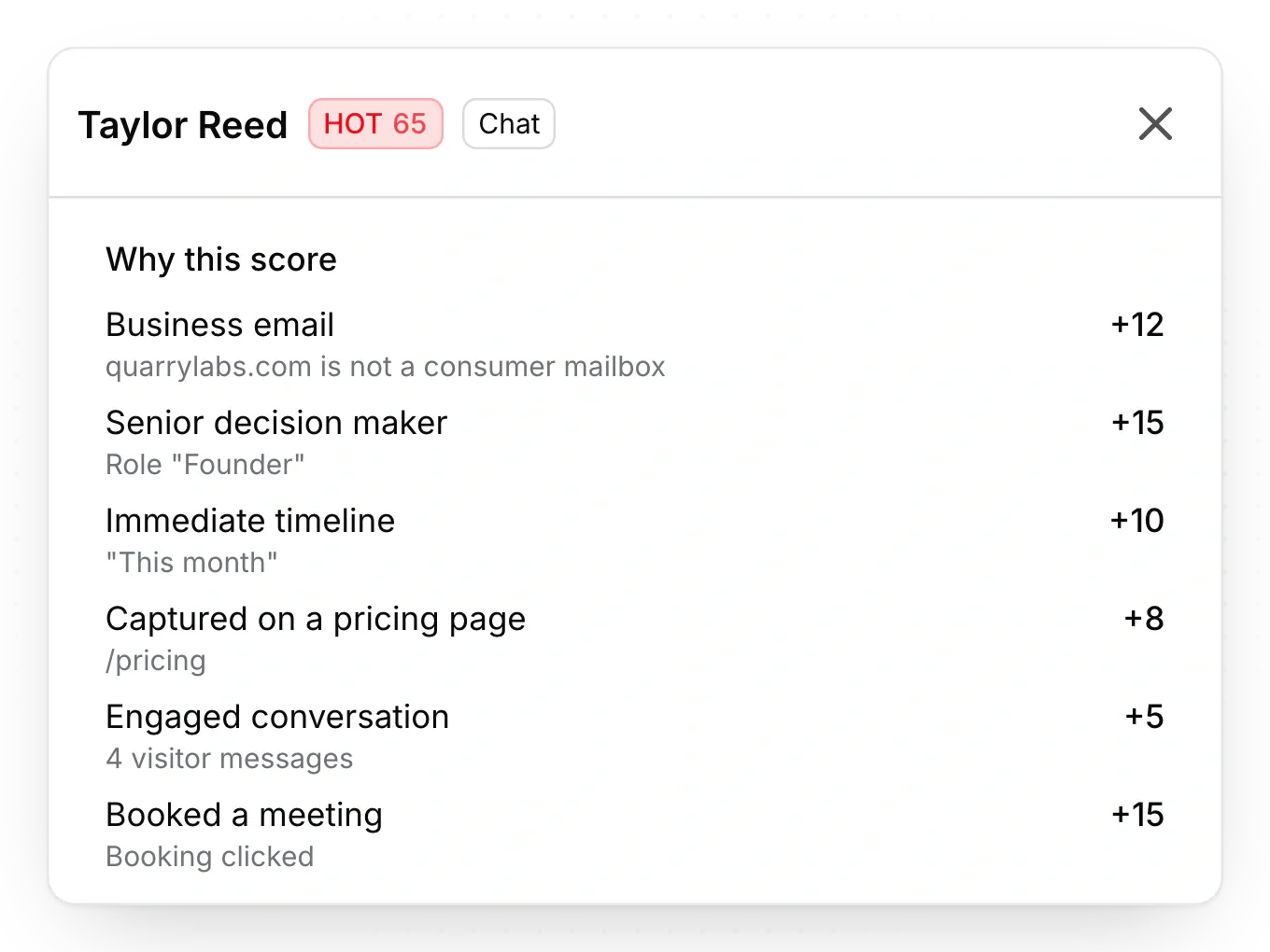
Forms and the AI chatbot feed one lead inbox, each lead scored 0 to 100, with alerts by email, phone and Slack.
Pixelesq vs Framer, side by side
How the two compare once the site is live and has to bring in business. Facts checked October 2026.
100+ ready sections styled by your theme, for every screen size
Choose Framer for custom motion and layout; Pixelesq keeps every page on brand as more people edit.
Competitor keyword gaps, researched articles and rank tracking
Traffic grows from a plan, with each article researched before it's written.
Tracks how ChatGPT, Claude, Gemini, Perplexity and AI Mode answer buyers
You see where you're named and who's cited instead.
Forms and an AI chatbot feed one inbox, every lead scored with reasons
Sales calls the hottest leads first, with the reasons in front of them.
Pixel in the app, plus Claude and ChatGPT through the connector
Changes happen in plain words, with no AI credits to count.
One plan per site from $19 a month, with no AI credits
One predictable bill per site, with nothing metered by AI use.
Also built into Pixelesq
The rest of the work a marketing site needs, in the same account.
A briefing every week
A plain-language summary of what changed in search, AI answers and leads, with next steps.
A chatbot that knows your site
It answers visitors from your own pages at any hour, then captures their details as a lead.
Rankings with AI Overview checks
Track your keywords and see whether Google shows an AI Overview for each, and whether it cites you.
Approvals, versions and an activity log
Turn on reviews to hold every publish, and restore any earlier version of a page as a draft.
Launches on your schedule
Schedule pages and entries to go live at a chosen time, up to a year ahead.
Analytics that count AI visits
See visits from ChatGPT, Perplexity, Claude and other assistants, with nothing to install.
Questions teams ask before leaving Framer
Answers on design, AI, pricing, moving over, and when Framer is the better fit.
Yes, for a marketing site that has to bring in traffic and leads after launch. Pixelesq adds keyword research, researched articles, rank and AI answer tracking, an AI chatbot and a scored lead inbox to a site your team edits from ready sections or by asking Pixel, Claude or ChatGPT. If the site's design is the product, Framer still fits that better.
When custom motion and freeform layout matter most. Framer lets designers place and animate elements freely on a canvas, which suits portfolios, launch pages and design-led brands, and you can try it at no cost on a Framer domain. Pixelesq builds pages from sections, with no free placement and no raw HTML section.
Yes, on both. Framer connects Claude, Codex and Cursor so they can read and update your site, with agent edits kept on a branch. Pixelesq's connector lets Claude and ChatGPT find and edit pages and sections, write entries, set SEO fields, manage redirects and forms, and publish when you ask. Inside the app, Pixel does the same work and already knows your brand and content.
Framer charges per site plus editor seats, and its agents and other AI features draw on monthly AI credits. Localization, A/B testing and advanced hosting are add-ons. Pixelesq plans run from $19 to $299 a month per site with no AI credits, and every plan starts with a 14-day trial with every Scale feature and no card. Pricing shows what each plan includes.
Framer offers an AEO scanner, which scores how findable and quotable your pages are to AI. Pixelesq goes a step further: AI answer tracking shows how ChatGPT, Claude, Gemini, Perplexity and Google AI Mode actually answer your buyers' questions, how often you're named and which sources they cite, next to rank tracking.
Every move carries some risk, and Magic Migrate is built to keep it small. Every old address gets a redirect to its new page, and after launch Search Console shows whether Google has picked up each new page. Google says rankings can shift for a while during any site move, and the index checks show you when things settle.
Turn your launch into steady traffic and leads
Find the keyword gaps your competitors already rank for, see which AI answers name you, and route every form into one scored inbox.


